While access to bikes and quality infrastructure are essential to making cycling a natural choice for daily commuting, many people still need an extra push to give cycling a try. In Stockholm, the Bike2Green project is providing that motivation—encouraging over 1,200 people to cycle through reward-based incentives and a gamified approach. The project’s pilot, which began in March 2024, involves not only citizens but also local shop owners and authorities in transforming urban mobility and boosting the local economy.
Bike2Green—an EU-funded project led by KTH Royal Institute of Technology, Pin Bike, Cykelfrämjandet, ElectriCITY, and ECF, and supported by the City of Stockholm—aims to promote the daily use of bicycles as a sustainable alternative to the car. The initiative combines Pin Bike's patented journey tracking system with gamification, rewards, and incentives to break habits and encourage students and adults to cycle to work and school.
In practice, participants receive a bike kit to install on their bikes, which connects to an app that tracks their cycling routes. They earn rewards and points for cycling and various gamification activities and challenges through Bike2Green project, which can be spent at participating local shops. The participants’ cycling activity is tracked and visualised on an Open Data Platform, providing valuable insights to urban planners and local authorities to better understand cycling patterns, assess demand and inform improvements in cycling and policies.
Gamification as a Driver of Change
One of the project's most distinctive aspects is its strategic, research-based use of gamification. Guided by the scientific team at KTH, Pin Bike introduced innovative nudging and gamification elements—including raffles, progress bars, and push notifications—to playfully and effectively encourage a shift toward more sustainable modes of transport.
As Nico Capogna, CEO of Pin Bike, explains, Bike2Green is proving that this game-based approach to promoting modal shift is not only highly effective in Mediterranean countries like Italy, Portugal or Turkey, where Pin Bike has been active before, but also in northern Europe. It shows that the strategy has a truly pan-European scope and can adapt to diverse cultural and climatic contexts.
Annarita Leserri, Project Manager at Pin Bike, emphasises the importance of an external trigger to change a routine and overcome common barriers such as fear of urban traffic or unfavourable weather conditions, which often discourages daily cycling. Likewise, Ivana Paulusova, a PhD student at KTH and member of the project's research team, highlights that the reward system can not only strengthen the motivation of already active cyclists but also attract new users. The positive, accessible, and rewarding experience helps shift people’s perceptions of urban cycling, making it a viable option for urban transportation.
Impact on the Community and the Urban Environment
Promoting cycling in cities not only transforms urban mobility, but also fosters a more modern, intelligent and cohesive city. Unlike cars, which isolate drivers, bicycles encourage interaction and build richer, more human relationships.
Bike2Green takes a holistic approach to mobility by linking cycling with local economic growth and stronger communities. The project strengthens ties between active mobility and local commerce through a system of economic incentives – specifically, vouchers redeemable in local shops. As Nico Capogna puts it: “If more bikes mean more community, why not involve local merchants as well?". These rewards not only stimulate the habit of getting around by bicycle, but also reactivate the neighbourhood economy, promote responsible consumption and support the 15-minute city model, where all the essentials can be found within a short distance by bicycle.
This strategy also helps shift merchants’ views on bike infrastructure. In many urban contexts, small business owners are often concerned that reducing car parking will drive customers away. However, initiatives like Bike2Green demonstrate that cyclists are active consumers with purchasing power, and valuable allies in building more dynamic, liveable cities. As Ivana Paulusova notes, the impact goes beyond economics: increased cycling and walking contribute to improved public spaces, bringing more people to the streets and boosting local businesses’ profits.
In addition, Bike2Green offers shops free marketing, helping them increase their visibility, attract new customers and offer special promotions. Rather than being passive actors or resisting sustainability, businesses can actively participate in urban change by offering bicycle parking and supporting pro-cycling policies in their areas. In Annarita Leserri’s words, "The shopkeeper is often presented as an actor opposed to the cyclist, but in our experience, we have found many who not only cycle to their shops but share the same interests in terms of road safety, livable urban spaces and efficient infrastructure."
Open Data for Smart Urbanism
Another key pillar of Bike2Green is its focus on data collection to better understand urban cycling. Through its Open Data Platform, the project gathers valuable quantitative insights into users’ cycling behaviour, such as heatmaps, distance travelled, CO2 saved, and frequently used routes. Bike2Green also collects qualitative feedback from user surveys and reports.
According to Nico Capogna and Annarita Leserri, this data empowers local authorities, urban planners, and policymakers to make evidence-based decisions and investments aligned with real needs. The platform also serves for transparency and demonstrates the project's impact in Stockholm, potentially inspiring other cities and countries to replicate the Bike2Green concept.
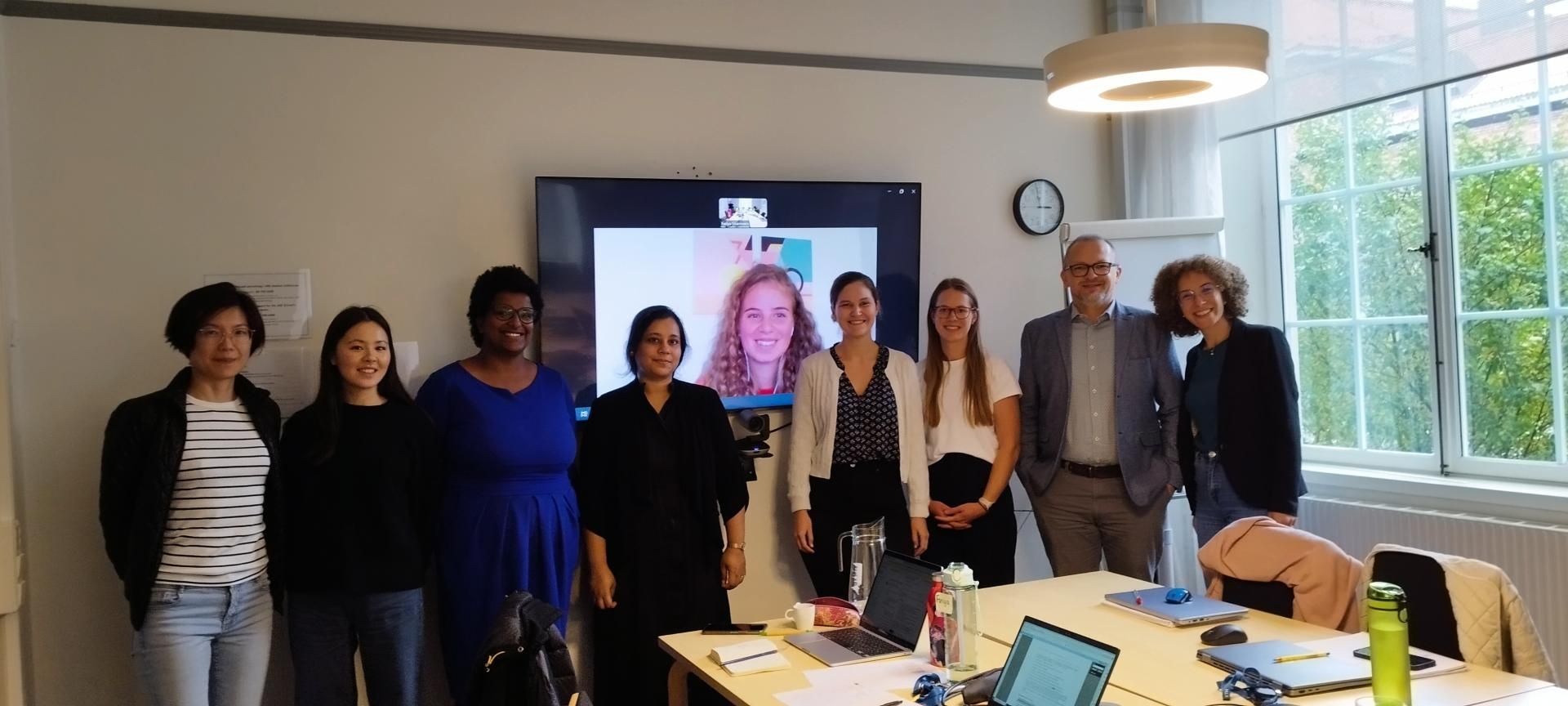
The Bike2Green team during the Annual Meeting in September 2024
The pilot phase of Bike2Green will run until June 2025. Over the coming months, the team will continue to enhance the Open Data Platform, incorporating new functionalities to facilitate access, analysis and usability for policymakers, mobility managers and educational stakeholders. Bike2Green will also be featured at Velo-city 2025 in Gdansk to share learnings and exchange experiences with cities and cycling advocates from around the world.

Bike2Green is funded by the European Union. Views and opinions expressed are however those of the authors only and do not necessarily reflect those of the European Union or the European Commission. Neither the European Union nor the European Commission can be held responsible for them.
Bike2Green—an EU-funded project led by KTH Royal Institute of Technology, Pin Bike, Cykelfrämjandet, ElectriCITY, and ECF, and supported by the City of Stockholm—aims to promote the daily use of bicycles as a sustainable alternative to the car. The initiative combines Pin Bike's patented journey tracking system with gamification, rewards, and incentives to break habits and encourage students and adults to cycle to work and school.
In practice, participants receive a bike kit to install on their bikes, which connects to an app that tracks their cycling routes. They earn rewards and points for cycling and various gamification activities and challenges through Bike2Green project, which can be spent at participating local shops. The participants’ cycling activity is tracked and visualised on an Open Data Platform, providing valuable insights to urban planners and local authorities to better understand cycling patterns, assess demand and inform improvements in cycling and policies.
Gamification as a Driver of Change
One of the project's most distinctive aspects is its strategic, research-based use of gamification. Guided by the scientific team at KTH, Pin Bike introduced innovative nudging and gamification elements—including raffles, progress bars, and push notifications—to playfully and effectively encourage a shift toward more sustainable modes of transport.
As Nico Capogna, CEO of Pin Bike, explains, Bike2Green is proving that this game-based approach to promoting modal shift is not only highly effective in Mediterranean countries like Italy, Portugal or Turkey, where Pin Bike has been active before, but also in northern Europe. It shows that the strategy has a truly pan-European scope and can adapt to diverse cultural and climatic contexts.
Annarita Leserri, Project Manager at Pin Bike, emphasises the importance of an external trigger to change a routine and overcome common barriers such as fear of urban traffic or unfavourable weather conditions, which often discourages daily cycling. Likewise, Ivana Paulusova, a PhD student at KTH and member of the project's research team, highlights that the reward system can not only strengthen the motivation of already active cyclists but also attract new users. The positive, accessible, and rewarding experience helps shift people’s perceptions of urban cycling, making it a viable option for urban transportation.
Impact on the Community and the Urban Environment
Promoting cycling in cities not only transforms urban mobility, but also fosters a more modern, intelligent and cohesive city. Unlike cars, which isolate drivers, bicycles encourage interaction and build richer, more human relationships.
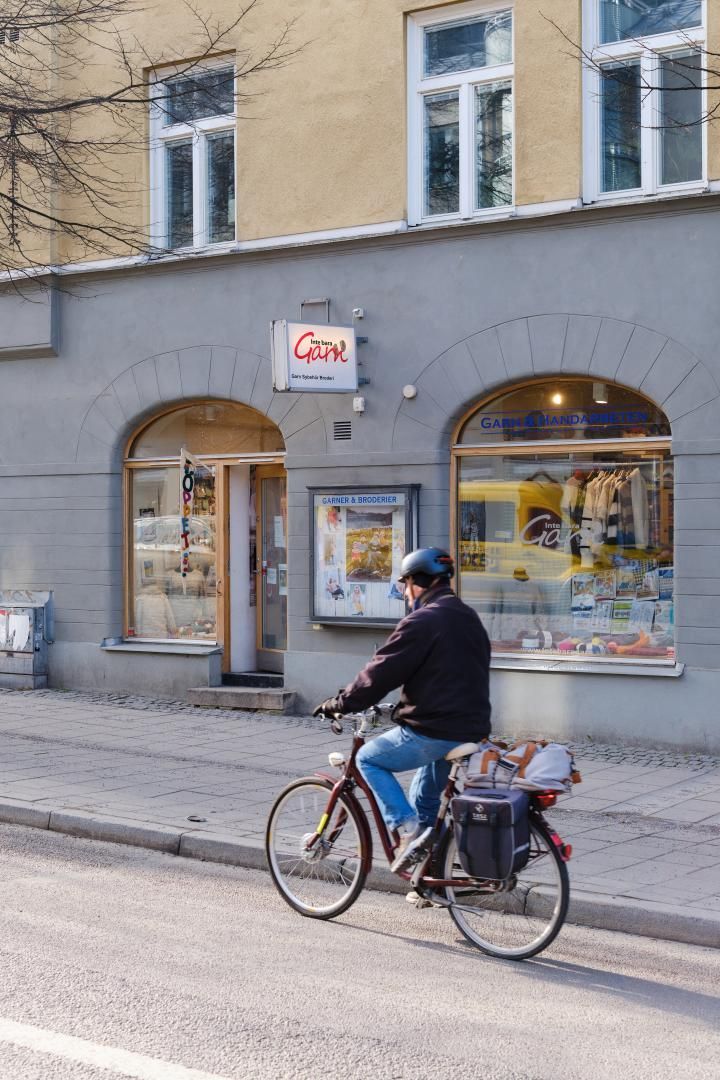
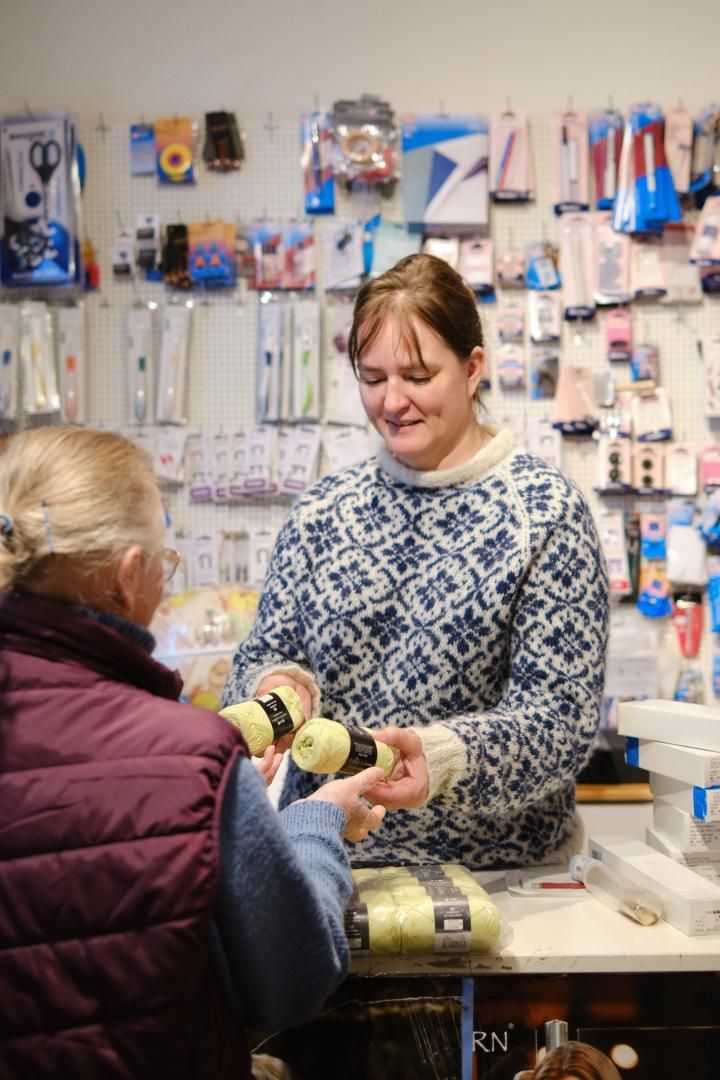
Bike2Green takes a holistic approach to mobility by linking cycling with local economic growth and stronger communities. The project strengthens ties between active mobility and local commerce through a system of economic incentives – specifically, vouchers redeemable in local shops. As Nico Capogna puts it: “If more bikes mean more community, why not involve local merchants as well?". These rewards not only stimulate the habit of getting around by bicycle, but also reactivate the neighbourhood economy, promote responsible consumption and support the 15-minute city model, where all the essentials can be found within a short distance by bicycle.
This strategy also helps shift merchants’ views on bike infrastructure. In many urban contexts, small business owners are often concerned that reducing car parking will drive customers away. However, initiatives like Bike2Green demonstrate that cyclists are active consumers with purchasing power, and valuable allies in building more dynamic, liveable cities. As Ivana Paulusova notes, the impact goes beyond economics: increased cycling and walking contribute to improved public spaces, bringing more people to the streets and boosting local businesses’ profits.
In addition, Bike2Green offers shops free marketing, helping them increase their visibility, attract new customers and offer special promotions. Rather than being passive actors or resisting sustainability, businesses can actively participate in urban change by offering bicycle parking and supporting pro-cycling policies in their areas. In Annarita Leserri’s words, "The shopkeeper is often presented as an actor opposed to the cyclist, but in our experience, we have found many who not only cycle to their shops but share the same interests in terms of road safety, livable urban spaces and efficient infrastructure."
Open Data for Smart Urbanism
Another key pillar of Bike2Green is its focus on data collection to better understand urban cycling. Through its Open Data Platform, the project gathers valuable quantitative insights into users’ cycling behaviour, such as heatmaps, distance travelled, CO2 saved, and frequently used routes. Bike2Green also collects qualitative feedback from user surveys and reports.
According to Nico Capogna and Annarita Leserri, this data empowers local authorities, urban planners, and policymakers to make evidence-based decisions and investments aligned with real needs. The platform also serves for transparency and demonstrates the project's impact in Stockholm, potentially inspiring other cities and countries to replicate the Bike2Green concept.
The Bike2Green team during the Annual Meeting in September 2024
The pilot phase of Bike2Green will run until June 2025. Over the coming months, the team will continue to enhance the Open Data Platform, incorporating new functionalities to facilitate access, analysis and usability for policymakers, mobility managers and educational stakeholders. Bike2Green will also be featured at Velo-city 2025 in Gdansk to share learnings and exchange experiences with cities and cycling advocates from around the world.
Bike2Green is funded by the European Union. Views and opinions expressed are however those of the authors only and do not necessarily reflect those of the European Union or the European Commission. Neither the European Union nor the European Commission can be held responsible for them.


