Over the course of 17 months, the Bike2Green project tested how gamification and reward-based incentives could encourage more people to cycle in Stockholm. Participants earned vouchers for their rides, redeemable in local shops, while the project partners tracked the cyclists’ activity and experimented with different motivational techniques. The result was not just more kilometres cycled, but also valuable insights into behaviour change, local business engagement, and the needed policies and infrastructure to further boost cycling. This article reflects on Bike2Green’s impact and lessons for the future.
Bike2Green’s pilot period was from March 2024 until July 2025, in which over 3,000 people registered to participate, far exceeding the project’s limit of 1,500. The active participants were about 60% men and 40% women, with a mix of established cyclists (67%), new cyclists (18%), and those who planned to start cycling (10%) or had considered it (5%). For those new to cycling, Bike2Green also offered cycle training and vouchers for free bike rental for three months.
Gamification works — but for whom?
Interestingly, 97% of respondents in the final survey indicated that they would keep cycling after the project ended, suggesting that long-term behavioural change is possible even without ongoing rewards. Since most participants were already regular cyclists before joining, it remains unclear whether this intention will translate into lasting change for those who took up cycling specifically through Bike2Green. For some, it clearly has, as reflected in the thank-you messages received after the project ended:
“Bike2Green came at a time in my life when I had little motivation to exercise, but the project gave me the small push I needed to start biking to work every day.”
“Thank you for the initiative that has motivated us to cycle a lot more. We are going to buy ourselves a new bike thanks to the 'rewards'.”
This data shows what cyclists really need
Throughout the project, participants also indicated that safety concerns, both perceived and spatial bikeability, remain a major factor in cycling decisions. To address the safety aspect, one of Bike2Green’s lasting contributions is the wealth of data it generated, offering insights beyond simply counting cyclists. Cities can leverage this data to improve safety and the citizens’ cycling experience. Through its open data platform, the project tracked cycling behaviour in detail, including heatmaps, total distances, frequency of trips, travel times, average distance per ride, hourly and weekly volumes, and CO₂ emissions saved — all broken down by city area. Qualitative inputs, such as user reports and surveys, added important context.
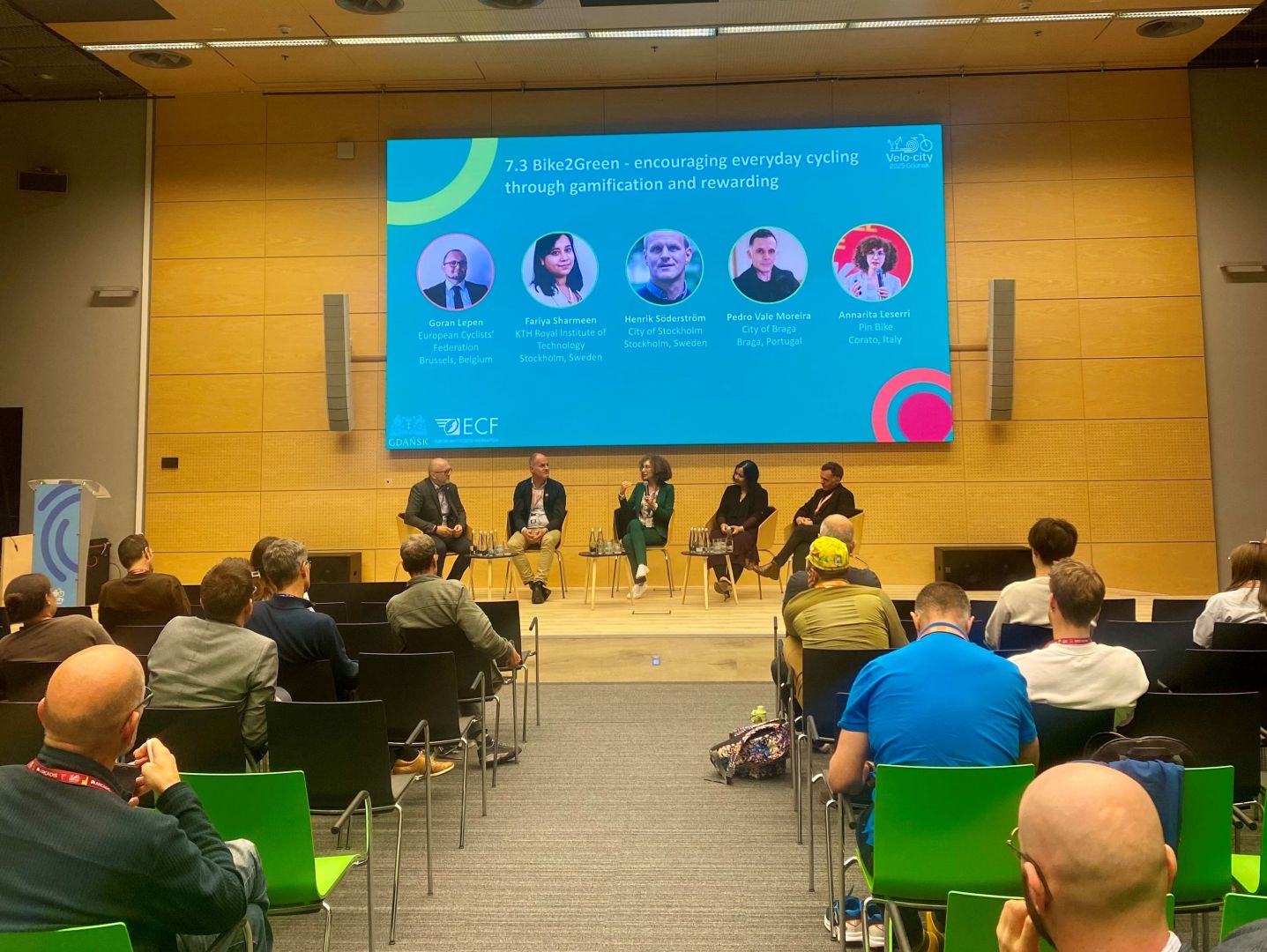
This combination of quantitative and qualitative data is helpful in guiding future investments, as stressed by the representatives from the cities of Stockholm and Braga at Velo-city 2025: knowing route choices, start and end points, and perceived safety levels helps policymakers target infrastructure improvements where they are needed most. In Braga, decisions taken over the past three years were strongly shaped by results from an earlier Pin Bike pilot, showing how such data can directly influence urban planning.
When local shops become partners in active mobility
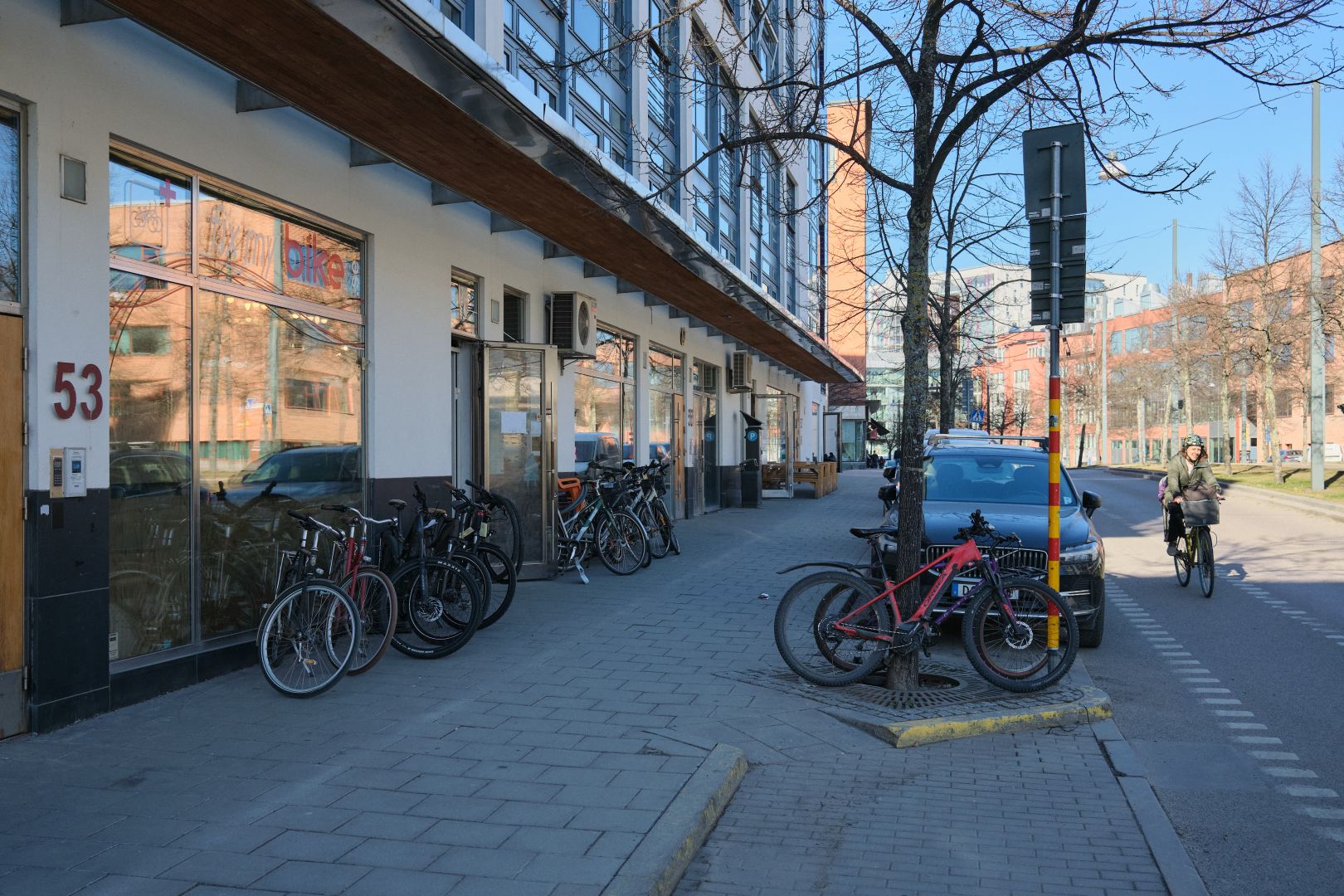
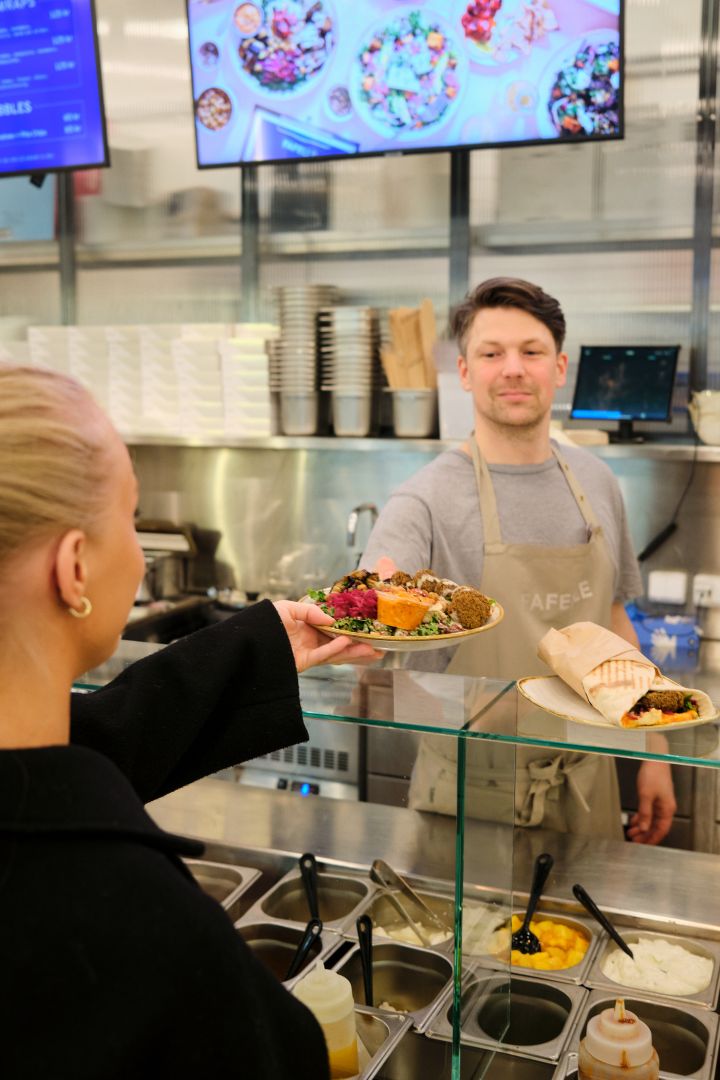
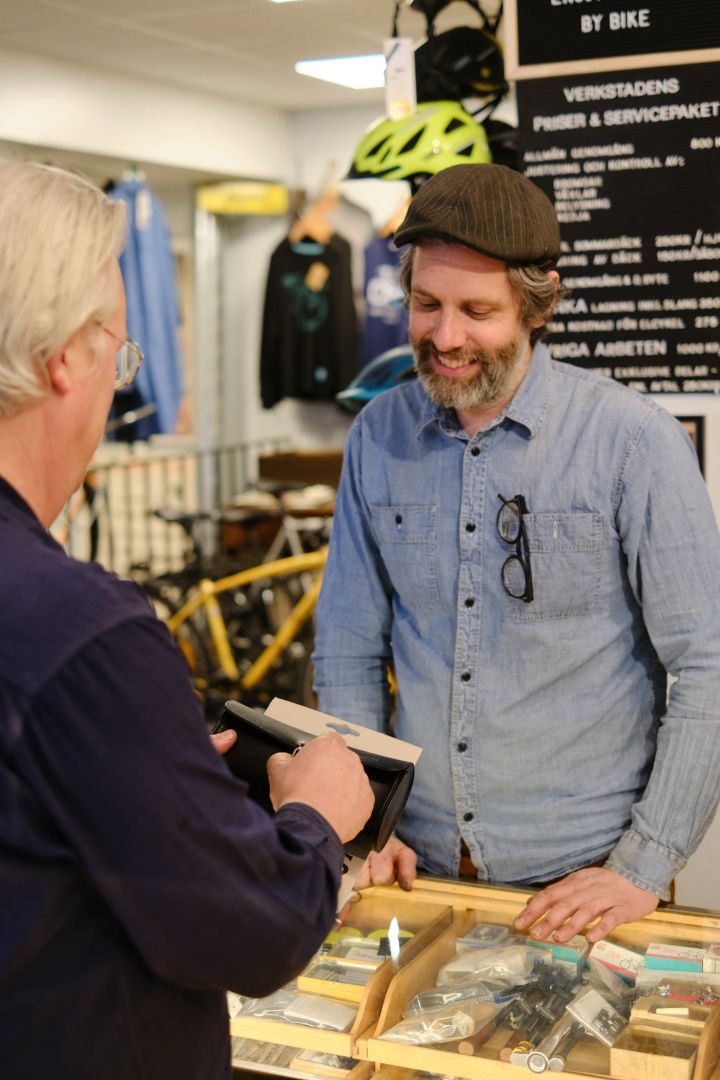
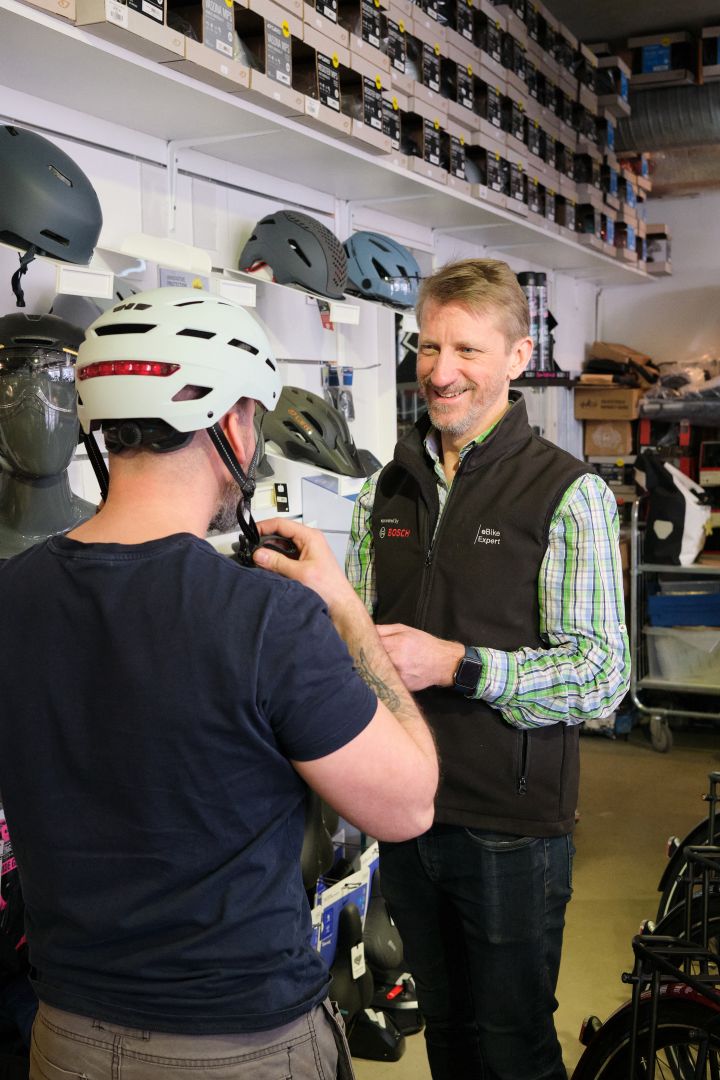
Bike2Green also proved to be a win for local businesses. The project partnered with 18 shops — mostly cycling-related shops, but also coffee, lunch and fika cafés, kayak rentals, beauty services, textile design and DIY stores. The Bike2Green cyclists could redeem their earned vouchers in these shops, and shops would get reimbursed from the project’s funds.
Interviews with five participating businesses revealed clear benefits. Thanks to their visibility in the PinBike app, shops attracted new visitors who might never have discovered them otherwise. The bike shops saw an unusual boost in winter sales, with Bike2Green cyclists purchasing accessories and spare parts during what is normally a quiet season. When a product exceeded the voucher value, customers readily paid the difference, creating additional earnings for the shop. Overall, the sales from Bike2Green represented only a modest slice of turnover, but they still marked a positive shift.
Looking ahead, some challenges could be addressed to boost impact, such as simplifying voucher handling through better payment system integration and diversifying the range of participating businesses. Additionally, encouraging greater use of Pin Bike’s promotional tools could further enhance shop visibility and drive customer interest. Despite this room for improvement, Bike2Green showed that when shops are part of the active mobility ecosystem, they can both benefit economically and help sustain behavioural change.
From pilot to permanent: Inspiration for Bike2Green’s future
While Bike2Green was co-funded by the European Union, the project has strong potential to continue beyond this initial support. Drawing inspiration from Italian cities such as Bari, Bergamo, and Florence, where the model has been consolidated and run successfully for years, the idea of making Bike2Green permanent could be explored, either in its current form or with adaptations.
Pin Bike’s technology has proven scalable and adaptable to many contexts, with the core principle being the use of game elements. Monetary incentives are a valuable addition, as this pilot has also shown, but can take different forms, from shop vouchers to public transport discounts or access to cultural events. Beyond municipalities, the system can be adopted by companies to monitor employee travel and measure environmental impact, or by schools and universities to encourage sustainable commuting.
Launching a project like Bike2Green requires minimal human resources from a city — just two dedicated professionals within a city’s public administration — and has shown particular effectiveness in smaller municipalities, where changing the habits of 500 people can already have a significant impact. The greatest opportunity lies not just in replicating the model, but in adapting it to each city’s unique context, making Bike2Green a practical, flexible, and impactful approach to promoting cycling to work and school anywhere.

Bike2Green is funded by the European Union. Views and opinions expressed are however those of the authors only and do not necessarily reflect those of the European Union or the European Commission. Neither the European Union nor the European Commission can be held responsible for them.
Bike2Green’s pilot period was from March 2024 until July 2025, in which over 3,000 people registered to participate, far exceeding the project’s limit of 1,500. The active participants were about 60% men and 40% women, with a mix of established cyclists (67%), new cyclists (18%), and those who planned to start cycling (10%) or had considered it (5%). For those new to cycling, Bike2Green also offered cycle training and vouchers for free bike rental for three months.
Gamification works — but for whom?
By experimenting with nudging techniques such as rewards, gamification, social influence, training, and persuasive messaging, Bike2Green explored what works and what doesn’t when it comes to getting people to cycle more. The most effective technique proved to be the economic rewards. After increasing them mid-project, the trip recording rate increased across all user groups. Additionally, gamification – including weekly challenges, trophies, and progress tracking – increased cycling activity on average by 1.6 km per day. However, further analyses revealed that the effect was attributed only to the most regular cyclists, indicating that this kind of goal-setting gamification would be less useful for behavioural transitions of those new to cycling.
Interestingly, 97% of respondents in the final survey indicated that they would keep cycling after the project ended, suggesting that long-term behavioural change is possible even without ongoing rewards. Since most participants were already regular cyclists before joining, it remains unclear whether this intention will translate into lasting change for those who took up cycling specifically through Bike2Green. For some, it clearly has, as reflected in the thank-you messages received after the project ended:
“Bike2Green came at a time in my life when I had little motivation to exercise, but the project gave me the small push I needed to start biking to work every day.”
“Thank you for the initiative that has motivated us to cycle a lot more. We are going to buy ourselves a new bike thanks to the 'rewards'.”
This data shows what cyclists really need
Throughout the project, participants also indicated that safety concerns, both perceived and spatial bikeability, remain a major factor in cycling decisions. To address the safety aspect, one of Bike2Green’s lasting contributions is the wealth of data it generated, offering insights beyond simply counting cyclists. Cities can leverage this data to improve safety and the citizens’ cycling experience. Through its open data platform, the project tracked cycling behaviour in detail, including heatmaps, total distances, frequency of trips, travel times, average distance per ride, hourly and weekly volumes, and CO₂ emissions saved — all broken down by city area. Qualitative inputs, such as user reports and surveys, added important context.
This combination of quantitative and qualitative data is helpful in guiding future investments, as stressed by the representatives from the cities of Stockholm and Braga at Velo-city 2025: knowing route choices, start and end points, and perceived safety levels helps policymakers target infrastructure improvements where they are needed most. In Braga, decisions taken over the past three years were strongly shaped by results from an earlier Pin Bike pilot, showing how such data can directly influence urban planning.
Bike2Green also proved to be a win for local businesses. The project partnered with 18 shops — mostly cycling-related shops, but also coffee, lunch and fika cafés, kayak rentals, beauty services, textile design and DIY stores. The Bike2Green cyclists could redeem their earned vouchers in these shops, and shops would get reimbursed from the project’s funds.
Interviews with five participating businesses revealed clear benefits. Thanks to their visibility in the PinBike app, shops attracted new visitors who might never have discovered them otherwise. The bike shops saw an unusual boost in winter sales, with Bike2Green cyclists purchasing accessories and spare parts during what is normally a quiet season. When a product exceeded the voucher value, customers readily paid the difference, creating additional earnings for the shop. Overall, the sales from Bike2Green represented only a modest slice of turnover, but they still marked a positive shift.
Looking ahead, some challenges could be addressed to boost impact, such as simplifying voucher handling through better payment system integration and diversifying the range of participating businesses. Additionally, encouraging greater use of Pin Bike’s promotional tools could further enhance shop visibility and drive customer interest. Despite this room for improvement, Bike2Green showed that when shops are part of the active mobility ecosystem, they can both benefit economically and help sustain behavioural change.
From pilot to permanent: Inspiration for Bike2Green’s future
While Bike2Green was co-funded by the European Union, the project has strong potential to continue beyond this initial support. Drawing inspiration from Italian cities such as Bari, Bergamo, and Florence, where the model has been consolidated and run successfully for years, the idea of making Bike2Green permanent could be explored, either in its current form or with adaptations.
Pin Bike’s technology has proven scalable and adaptable to many contexts, with the core principle being the use of game elements. Monetary incentives are a valuable addition, as this pilot has also shown, but can take different forms, from shop vouchers to public transport discounts or access to cultural events. Beyond municipalities, the system can be adopted by companies to monitor employee travel and measure environmental impact, or by schools and universities to encourage sustainable commuting.
Launching a project like Bike2Green requires minimal human resources from a city — just two dedicated professionals within a city’s public administration — and has shown particular effectiveness in smaller municipalities, where changing the habits of 500 people can already have a significant impact. The greatest opportunity lies not just in replicating the model, but in adapting it to each city’s unique context, making Bike2Green a practical, flexible, and impactful approach to promoting cycling to work and school anywhere.
Bike2Green is funded by the European Union. Views and opinions expressed are however those of the authors only and do not necessarily reflect those of the European Union or the European Commission. Neither the European Union nor the European Commission can be held responsible for them.


