A new Active Tourism Coalition, bringing together 20 civil society and industry organisations representing active travel, has formally launched with a call for stronger recognition of active tourism in Europe’s future tourism policies.
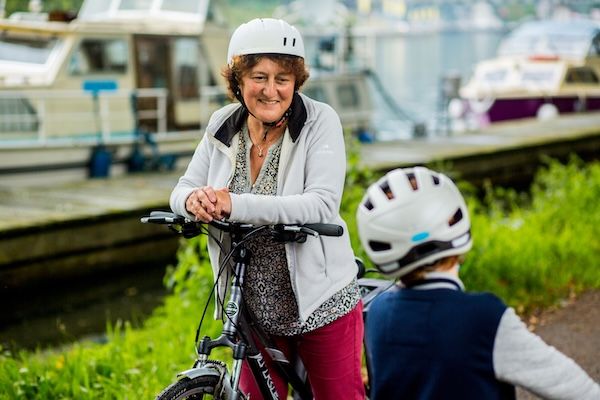
Wallonie Tourism | EuroVelo 5
The coalition defines active tourism as tourism centred on accessible physical activity for mobility, recreation, and leisure. This includes activities such as cycling, walking, and hiking, allowing visitors to experience destinations at a human scale while delivering low environmental impact, high social value, and strong connections to local landscapes, cultures, and communities.
Active tourism already represents a major economic force. Cycling tourism alone generated an estimated €44 billion annually in Europe as early as 2012, while adventure travel has grown into a trillion-dollar global market. Despite this, the coalition argues that active tourism remains under-recognised in strategic tourism planning at European level.
A Strategic Opportunity for Europe
The coalition highlights the forthcoming European Sustainable Tourism Strategy, announced by the European Commission for Spring 2026, as a critical opportunity to position active tourism as:
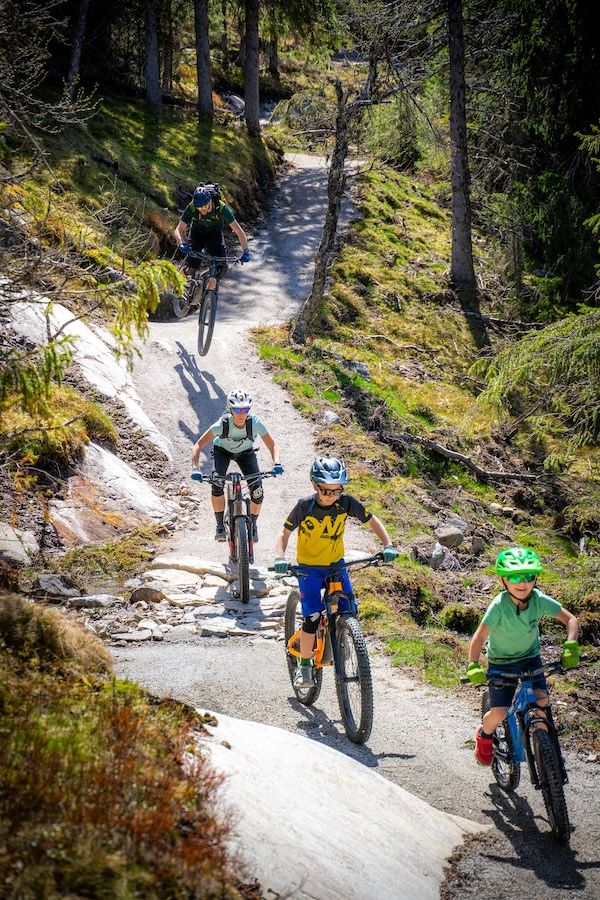
Lars Storheim | HallingSpranget —a family-friendly bike trail in Nesbyen Norway
Key Priorities for Policy Action
The Active Tourism Coalition calls on European and national institutions to take coordinated action across four main areas:
1. Recognition and integration
Active tourism should be recognised as a cornerstone of sustainable tourism policy. This includes integrating cycling, walking, and hiking into destination mobility strategies, multimodal transport planning, and last-mile solutions, alongside better monitoring of social, environmental, and economic impacts.
2. Brand Europe and visibility
Europe’s extensive network of long-distance routes — such as EuroVelo, greenways, E-paths, and GR footpaths — should be showcased internationally as symbols of Europe’s natural and cultural heritage. This effort should be supported by open, high-quality data within EU tourism data hubs, and by recognising certification schemes and training programmes that ensure quality and sustainability.
3. Integrated governance
Delivering successful active tourism requires collaboration. The coalition calls for integrated governance frameworks that bring together local communities, destination management organisations, tourism operators, NGOs, land managers, transport providers, media, and outdoor sport organisations, ensuring tourism development protects landscapes while benefiting residents.
4. Investment and funding
Active tourism should be prioritised in the next Multiannual Financial Framework (2028–2034), with dedicated investment in long- and short-distance cycling routes, hiking trails, and cross-border tourism infrastructure.
A Coalition Ready to Engage
The Active Tourism Coalition positions itself as a constructive partner for European institutions, offering expertise and coordination capacity to support policy development and implementation. This is how the open letter to Commissioner Tzitzikostas is intended, as well as the Coalition’s proposals.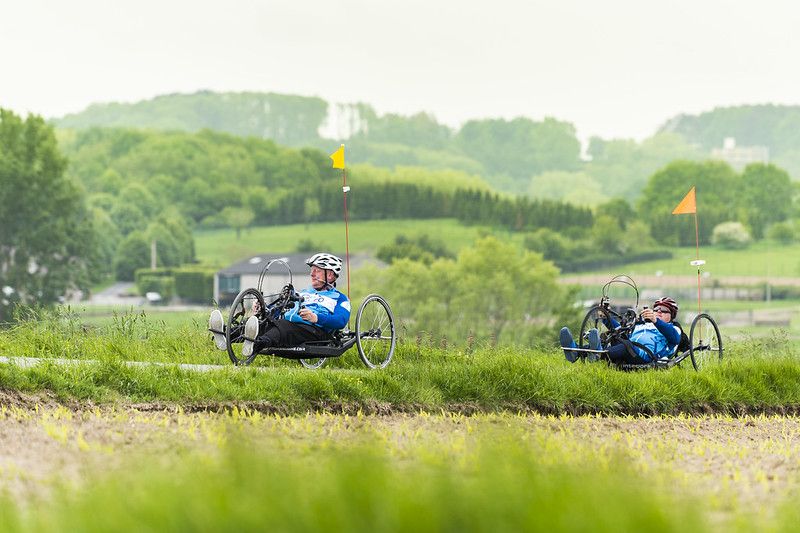
Toerisme Vlaanderen | Handbikes in Heuvelland
Who are the members of the Active Tourism Coalition?
The Active Tourism Coalition brings together European and Global organisations representing cycling, walking, and hiking and other forms of active travel, working jointly to strengthen the role of Active Tourism in European policies. We believe Active Tourism contributes to the competitiveness and resilience of European tourism and aligns with the Brand Europe and its values. Active Tourism is also a strategic solution to address some of the most pressing challenges of tourism in Europe: unbalanced tourism flows or climate change for example. The Coalition calls for political recognition of Active Tourism in the European Sustainable Tourism Strategy. See the full list of Coalition members.
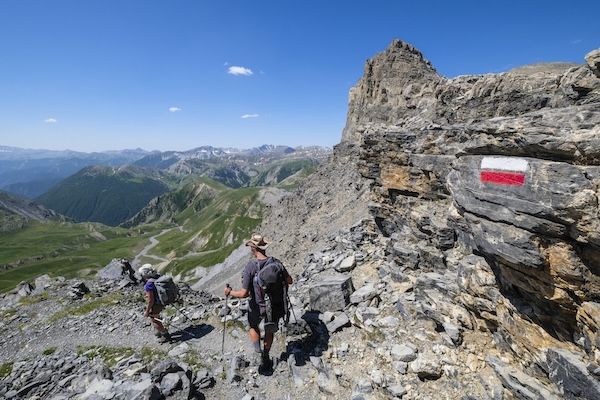
FFRandonnée | ERA E-path E2 France
Role of ECF in the Coalition
As a long-term advocate for more recognition of cycling tourism and EuroVelo in EU policies, ECF has initiated an Active Tourism Coalition in January 2026 to strengthen the voice of healthy, sustainable and local tourism, benefiting the most European citizens and destinations.
As Europe seeks to build a tourism sector that is more resilient, competitive, and sustainable, the coalition argues that active tourism can play a central role — strengthening Europe’s tourism brand while responding to environmental challenges and the growing need for balanced tourism development.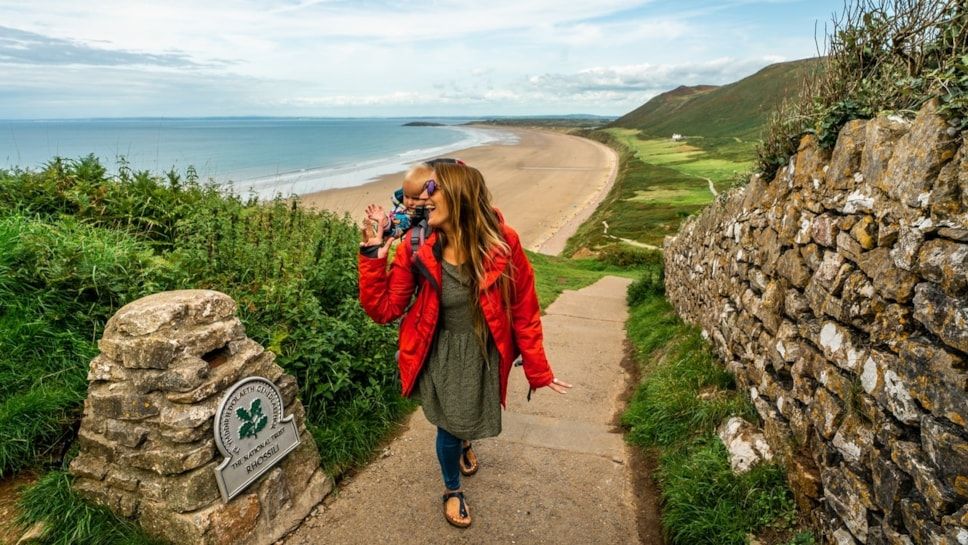
Welsh Government | Mother and baby on seaside path at Rosshili Beach
"Active tourism should be the cornerstone of the European Sustainable Tourism Strategy. By encouraging tourists to move through regions by bike or on foot, it supports healthier lifestyles, low-carbon travel, and stronger local economies. It can also boost European competitiveness with strong products and brands such as EuroVelo. The Active Tourism Coalition brings 15 industry and civil-society voices together to call EU institutions to turn these benefits into reality across Europe."
Laurianne Krid, CEO, European Cyclists’ Federation
Wallonie Tourism | EuroVelo 5
Active tourism already represents a major economic force. Cycling tourism alone generated an estimated €44 billion annually in Europe as early as 2012, while adventure travel has grown into a trillion-dollar global market. Despite this, the coalition argues that active tourism remains under-recognised in strategic tourism planning at European level.
The coalition highlights the forthcoming European Sustainable Tourism Strategy, announced by the European Commission for Spring 2026, as a critical opportunity to position active tourism as:
- a driver of sustainable and competitive economic growth,
- a tool to address unbalanced tourism flows and tourism’s resilience,
- and a flagship element of Brand Europe.
Lars Storheim | HallingSpranget —a family-friendly bike trail in Nesbyen Norway
The Active Tourism Coalition calls on European and national institutions to take coordinated action across four main areas:
1. Recognition and integration
Active tourism should be recognised as a cornerstone of sustainable tourism policy. This includes integrating cycling, walking, and hiking into destination mobility strategies, multimodal transport planning, and last-mile solutions, alongside better monitoring of social, environmental, and economic impacts.
2. Brand Europe and visibility
Europe’s extensive network of long-distance routes — such as EuroVelo, greenways, E-paths, and GR footpaths — should be showcased internationally as symbols of Europe’s natural and cultural heritage. This effort should be supported by open, high-quality data within EU tourism data hubs, and by recognising certification schemes and training programmes that ensure quality and sustainability.
3. Integrated governance
Delivering successful active tourism requires collaboration. The coalition calls for integrated governance frameworks that bring together local communities, destination management organisations, tourism operators, NGOs, land managers, transport providers, media, and outdoor sport organisations, ensuring tourism development protects landscapes while benefiting residents.
4. Investment and funding
Active tourism should be prioritised in the next Multiannual Financial Framework (2028–2034), with dedicated investment in long- and short-distance cycling routes, hiking trails, and cross-border tourism infrastructure.
A Coalition Ready to Engage
The Active Tourism Coalition positions itself as a constructive partner for European institutions, offering expertise and coordination capacity to support policy development and implementation. This is how the open letter to Commissioner Tzitzikostas is intended, as well as the Coalition’s proposals.
Toerisme Vlaanderen | Handbikes in Heuvelland
Who are the members of the Active Tourism Coalition?
The Active Tourism Coalition brings together European and Global organisations representing cycling, walking, and hiking and other forms of active travel, working jointly to strengthen the role of Active Tourism in European policies. We believe Active Tourism contributes to the competitiveness and resilience of European tourism and aligns with the Brand Europe and its values. Active Tourism is also a strategic solution to address some of the most pressing challenges of tourism in Europe: unbalanced tourism flows or climate change for example. The Coalition calls for political recognition of Active Tourism in the European Sustainable Tourism Strategy. See the full list of Coalition members.
FFRandonnée | ERA E-path E2 France
Role of ECF in the Coalition
As a long-term advocate for more recognition of cycling tourism and EuroVelo in EU policies, ECF has initiated an Active Tourism Coalition in January 2026 to strengthen the voice of healthy, sustainable and local tourism, benefiting the most European citizens and destinations.
As Europe seeks to build a tourism sector that is more resilient, competitive, and sustainable, the coalition argues that active tourism can play a central role — strengthening Europe’s tourism brand while responding to environmental challenges and the growing need for balanced tourism development.
Welsh Government | Mother and baby on seaside path at Rosshili Beach
"Active tourism should be the cornerstone of the European Sustainable Tourism Strategy. By encouraging tourists to move through regions by bike or on foot, it supports healthier lifestyles, low-carbon travel, and stronger local economies. It can also boost European competitiveness with strong products and brands such as EuroVelo. The Active Tourism Coalition brings 15 industry and civil-society voices together to call EU institutions to turn these benefits into reality across Europe."
Laurianne Krid, CEO, European Cyclists’ Federation


